The short answer
When you’re choosing a lash artist, five things separate lashes that protect your natural set from lashes that quietly damage it: do they isolate every extension onto a single natural lash (never glue lashes together), can they handle sensitive or allergy-prone eyes, can they rehab damage, not just cover it, is the pricing and fill schedule honest, and who is actually doing the work. At The Bronze Lily, Larae is an eight-year lash artist who specializes in lash rehabilitation and built a proprietary allergy protocol — and we’ll show you all five before you commit. She also has a six-year lash veteran, Elyssa working right along side her, who is trained in Larae's methods and has her own excellent craft with lashing - she is who Larae trusts to do her own lashes!
A bad lash set doesn’t just look off. Done wrong, it takes your natural lashes with it — and most people don’t find out until the extensions come off and there’s barely anything left underneath. So before you book anyone, here’s the checklist I’d hand my own sister.
Lash extensions went mainstream fast, and the training didn’t always keep up. The look in the photos is easy; the technique that keeps your natural lashes healthy underneath is the hard part — and it’s invisible from the before-and-after. Here’s how to tell a lash artist who protects your lashes from one who’s slowly wrecking them, whoever you end up booking.
1. Do they isolate every single lash?
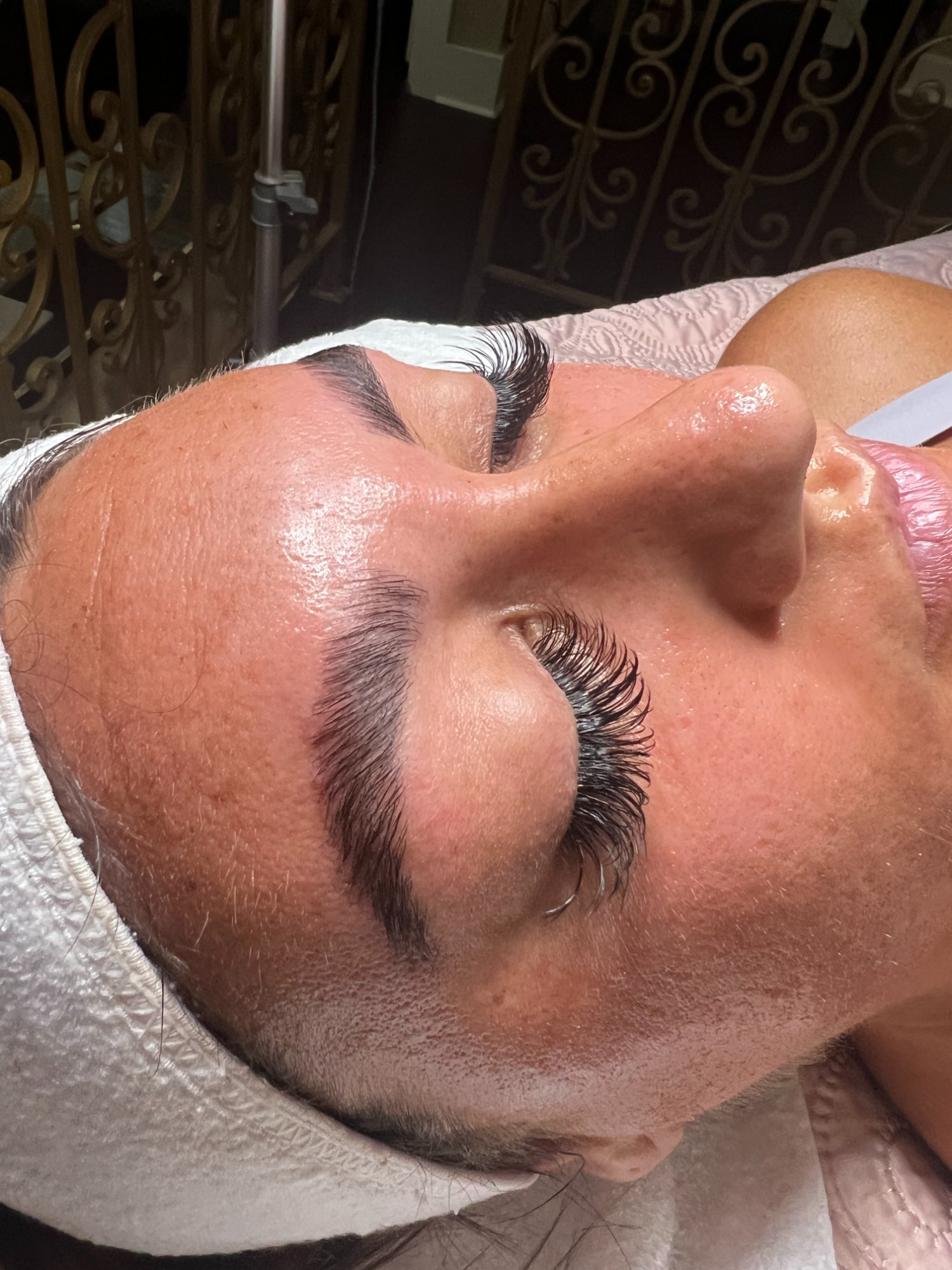
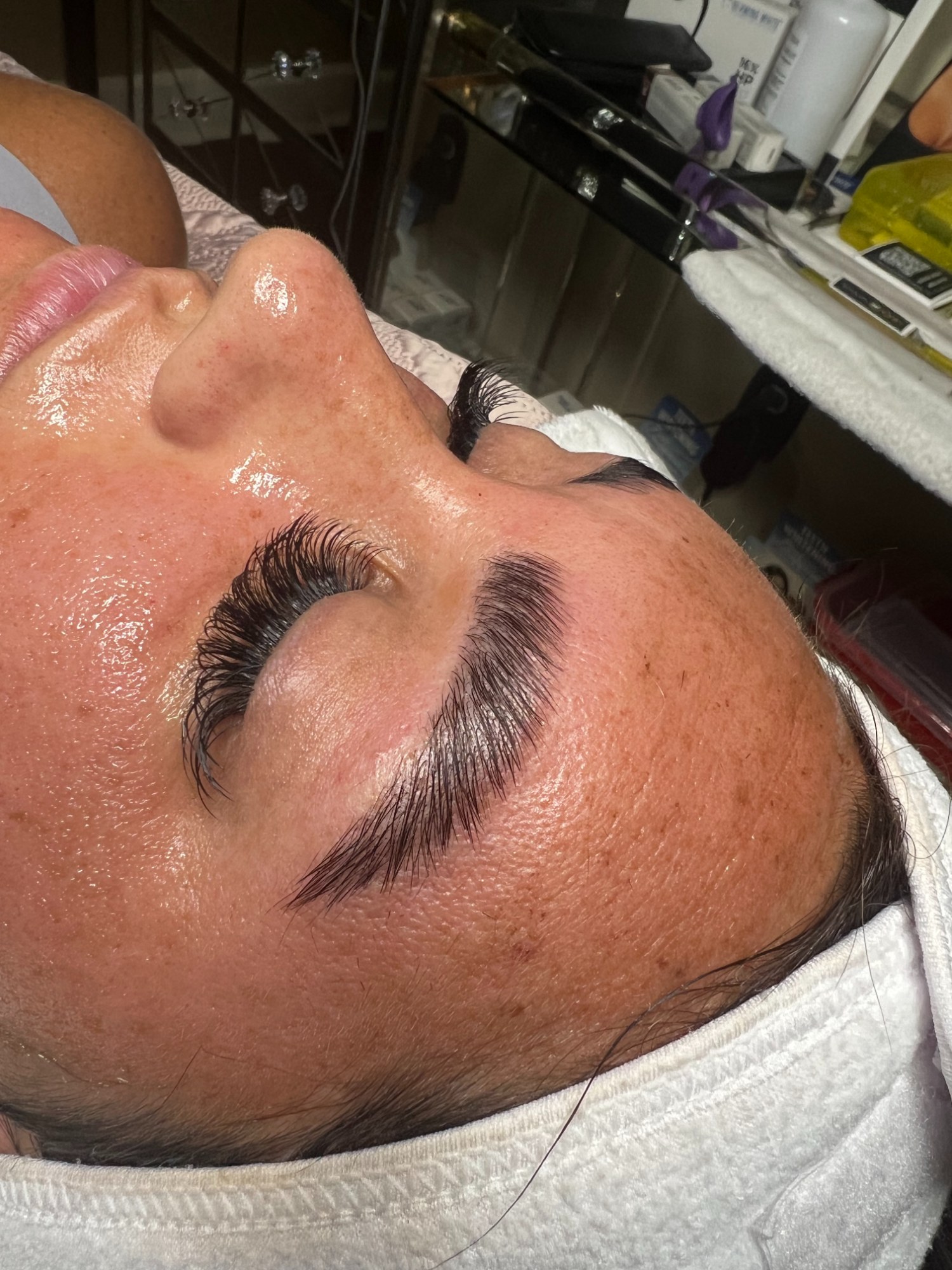
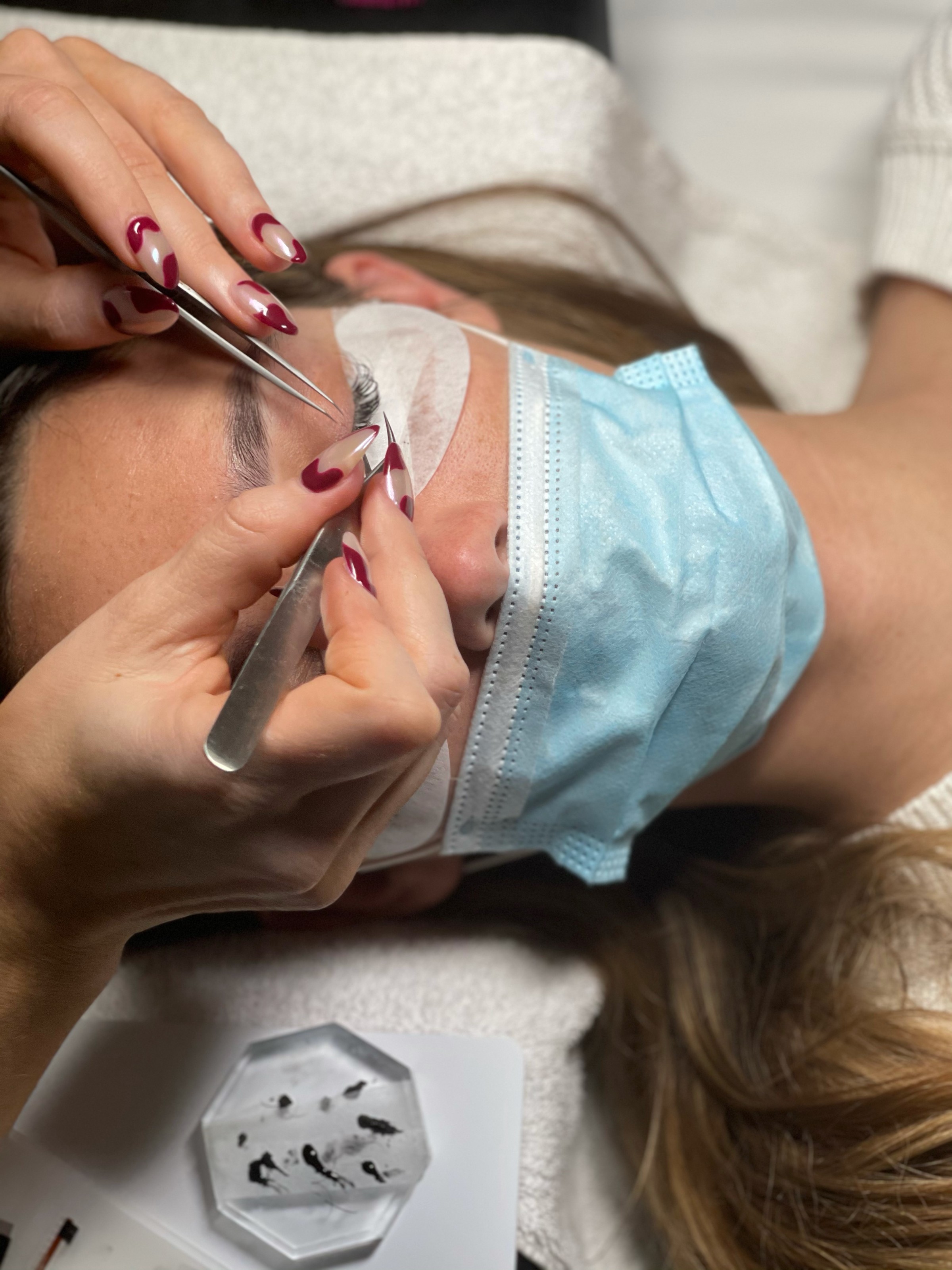
This is the whole game. A proper extension is one extension OR custom-made fan bonded to one isolated natural lash — so each natural lash can still shed and grow on its own cycle. The damage happens when an artist rushes and glues an extension across two or three natural lashes (a “stickie”): those lashes get yanked out early, together, and the set thins fast. This type of rushed application also causes PAIN! Ask directly: “Do you isolate every lash?” A good artist lights up at that question, because it’s the one that separates them from the fast-and-cheap shops. Isolated correctly, with the right weight and adhesive, extensions are safe and won’t damage your natural lashes.
2. What happens if your eyes are sensitive — or you’ve reacted before?
Most salons have one answer for a client with sensitive eyes or a past reaction: no. We built a proprietary allergy protocol specifically so those clients aren’t turned away — it’s opened the back up the door to extensions for people who’d been told their lash days were over. It starts with a complimentary 15-minute Patch Lash Extension Test: we cleanse your natural lashes, run the allergy protocol, bond a couple of classic extensions with our low-fume sensitive adhesive, and finish with bond sealant — a miniature of the full set, so you find out how your eyes respond before you commit to a whole appointment. Ask any studio whether they can work with sensitive eyes. “We can’t” is a common — and answerable — answer.
3. Can they fix damaged lashes — or only add to them?
If you’re coming off a bad set with sparse, stressed natural lashes, you don’t need more extensions piled on — you need lash rehabilitation. We treat rehab as its own discipline: nursing the natural lashes back before (and instead of) loading them up again. A studio that only knows how to apply can’t help a lash line that’s already struggling. Ask whether they do rehab. It tells you whether they understand lashes as living hair or just as a canvas.
The look in the photo is easy. The technique that keeps your natural lashes healthy underneath is the part you’re actually paying for.
4. Will they map to your eyes — or just sell you the biggest set?
“Classic,” “Volume & Hybrid,” and “Mega” aren’t a good-better-best ladder — they’re different looks for different lashes. Classic (one extension per lash, ~90 minutes) is the your-lashes-but-better option and is ideal for naturally full lashes or first-timers; Volume & Hybrid and Mega build density for those who want drama or have sparser natural lashes. A good artist maps the set to your eye shape and the health of your natural lashes — and will talk you down from Mega if your lashes can’t carry the weight. Being steered toward the priciest set regardless of what your lashes can hold is a red flag.
5. Is the pricing public — and the fill schedule honest?
You should be able to see what a set costs without a DM. Ours are published: Classic full sets from $120, fills from $65, a lash lift at $100, and safe removal at $25. And a good artist is honest that extensions are a maintenance service — you’ll want a fill every two to three weeks as your natural lashes shed. Anyone promising a set that lasts for 4+ weeks to months with no upkeep is selling you the before photo, not the truth.
6. Who is actually doing the work?
Ask who holds the tweezers, and where they trained. Larae is an eight-year lash artist who trains the rest of the team herself — and her most experienced artist, Elyssa, has six years behind the lash bed, works to the same standard, and is taking new clients now. Elyssa is who Larae trusts not only with her clients when she travels, but Elyssa is Larae's personal lash artist! The studio also runs a full lash certification that licensed professionals travel to take. When the studio down the road sends its artists to us for training, that’s a reference point.
Run this list on anyone, including us, at (727) 218-7045. Want a seasoned artist without the wait? Book with Elyssa — six years in, and taking new clients now. If your heart is set on Larae herself, she books a few weeks out and keeps a personal waitlist: tell us about your eyes and goals and she’ll reach out directly to find your spot. New to extensions, or coming off a set that didn’t go well? Start with the lash menu and the free 15-minute consult and patch test — the honest place to begin.