
A note before we start: this is our studio's experience and general information, not medical advice. Lupus is different for everyone, and skin can be more reactive during a flare. Please check with your doctor or rheumatologist, and let us help you with a free patch test first.
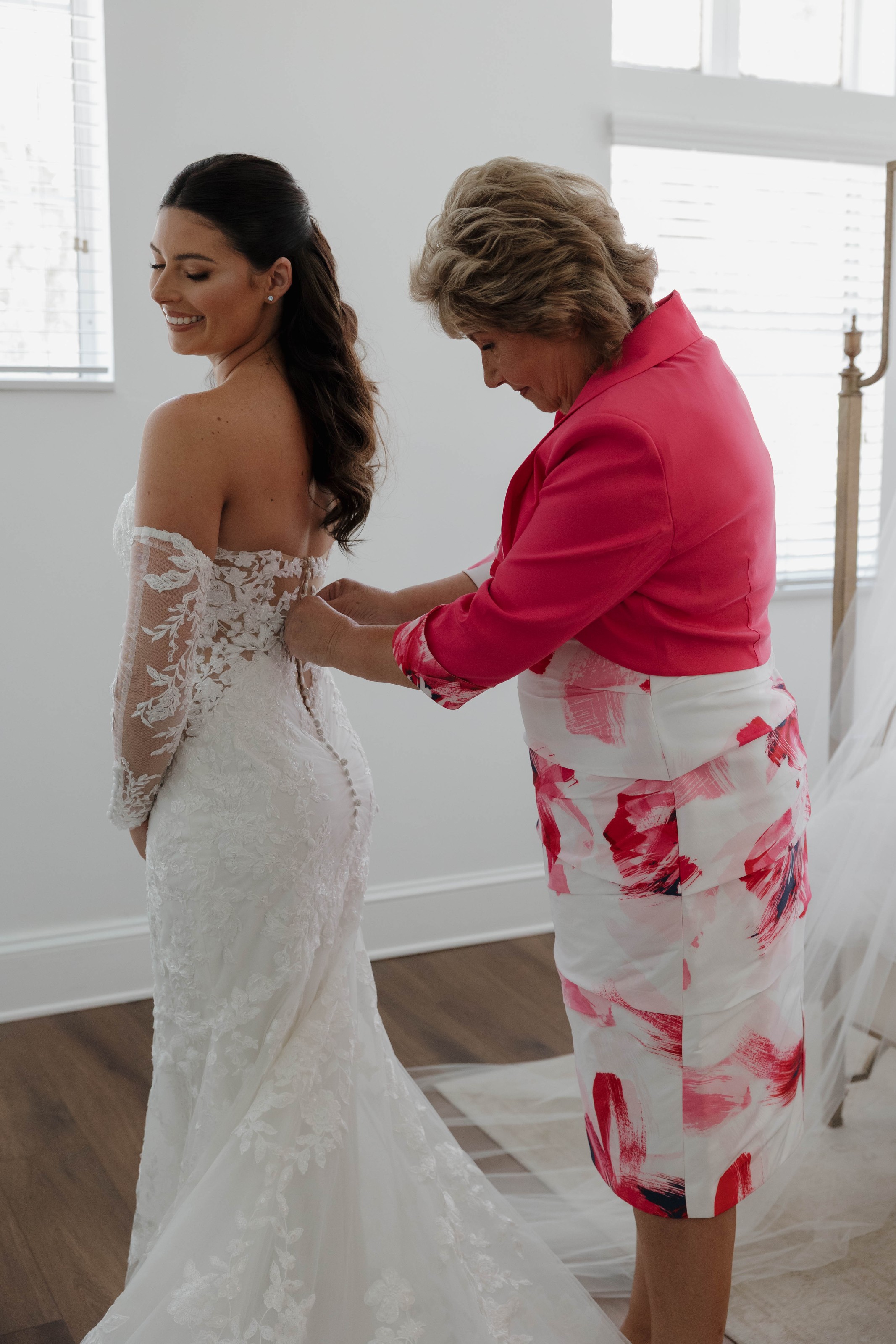
She almost didn't call. A mother of the bride, weeks out from her daughter's wedding, wanting to look and feel her best in the photos — but in the middle of a lupus flare and worried that a spray tan might make her skin worse. So instead of booking the full service and hoping, she did the exact right thing: she came in for a patch test, a week before.
Lupus makes a lot of people cautious about anything new on their skin, and understandably so. Flares are unpredictable, skin can turn sensitive, and many people with lupus are also photosensitive — meaning the sun and UV tanning are off the table entirely. That last part is actually the key to why she was interested in a spray tan in the first place: there's no UV involved at all.
Why a spray tan is different from sun or a tanning bed
This is the part worth understanding if you have lupus. A spray tan's color comes from DHA (dihydroxyacetone), which reacts only with the amino acids in the outermost layer of your skin — the same dead-cell layer that naturally sheds every couple of weeks. There's no UV light, no heat, and nothing absorbed deep into the skin. It's a surface-level cosmetic reaction. For someone who has to avoid the sun, that's the entire appeal: color without the trigger. And hydration is engineered into the solution itself at the production level — nothing extra is sprayed on sensitive skin before or after the color.
She booked a patch test during an active flare — and the flare didn't mess with the tan at all.
The patch test is the whole point
Here's what made her story work: she didn't gamble on the wedding week. She used our complimentary Spray Tan Patch Test. We sprayed a small section of her skin — the inside of her forearm — with the exact solution we'd use for her full tan, calibrated to her tone, and sent her home to watch how it developed over the next day or two.
It developed beautifully. No irritation, no reaction, no aggravation of her flare. The free test turned "I'm scared this will ruin the wedding photos" into "I know exactly how my skin handles this." That peace of mind is exactly what the patch test exists for — and it's free, for anyone, no obligation.
The complimentary patch test — the smartest first step for sensitive or photosensitive skin.
She came back — with her daughters
The following week, she returned. Not alone — with both of her daughters. The three of them got full-body spray tans together before the wedding: a mother of the bride who'd been afraid to even try, glowing for her daughter's big day, flanked by the girls. That's the version of this story we'll always remember, and it started with a fifteen-minute patch test.
Her takeaway, in her words, was simple: the lupus flare didn't mess with the spray tan. We'd add only one honest footnote to that — her flare didn't, and the patch test is how she knew for sure. Because lupus is so individual, that's the approach we'd recommend to anyone in her shoes.
If you have lupus and want to try a spray tan
- Talk to your doctor first if you have any concern about your skin or your current flare.
- Book the free patch test 24–48 hours before any event you're tanning for — it removes the guesswork entirely.
- Tell us you're managing lupus or sensitive skin when you book, so we can take extra care and answer questions before you arrive.
- Remember there's no UV — this is color without sun exposure, which is why so many photosensitive clients choose it.
- Time it like any event tan: the full spray a few days before, so it settles into its natural tone for the photos.
We can't promise how any one person's skin will respond — no honest studio can. What we can promise is the free patch test that lets you find out safely, and the care to walk you through it. For one mother of the bride, that was the difference between sitting the photos out and shining in them.
This article shares one client's experience and general information about spray tanning; it is not medical advice. Lupus and skin sensitivity vary from person to person — please consult your doctor or rheumatologist about your individual situation. The Bronze Lily's patch test is offered so you can see how your own skin responds before any full service.