A good boudoir photographer will tell you the same thing I do: the work starts before the camera comes out. Lighting, posing, and retouching can do a lot — but the single highest-impact, lowest-cost thing you can do for a boudoir shoot is walk in with even, glowing, dimensional skin. That's what a spray tan is for. The catch is that the way you'd prep a tan for a beach day is not the way you prep one for close-up, skin-forward photography. The margin for error is smaller, and the timing is everything.
Boudoir is the most skin-intensive photography there is. There's no flowy dress hiding the prep, no group shot to get lost in. It's you, soft light, and a lens a few feet away. Every streak, every tan line, every patch of bronzer that rubbed onto the white sheets shows up in the gallery. So the goal isn't just "get a tan." It's get the right tan, at the right time, prepped the right way. Here's exactly how.
Why a spray tan is the boudoir photographer's secret weapon
A professional DHA spray tan does three things that matter enormously on camera. It evens out skin tone, so redness, uneven patches, and the natural mottling most of us have simply disappear into one smooth canvas. It softly blurs stretch marks, scars, and texture — not erasing them, but lowering their contrast so they recede instead of catching light. And it adds dimension: a hint of bronze deepens the shadows along your collarbone, your waist, the curve of your hip, which is exactly the contouring that makes boudoir images feel sculptural rather than flat.
That's why most boudoir photographers recommend one. It does in twenty minutes what would otherwise take hours of retouching — and it never looks "edited," because it's real color on real skin.
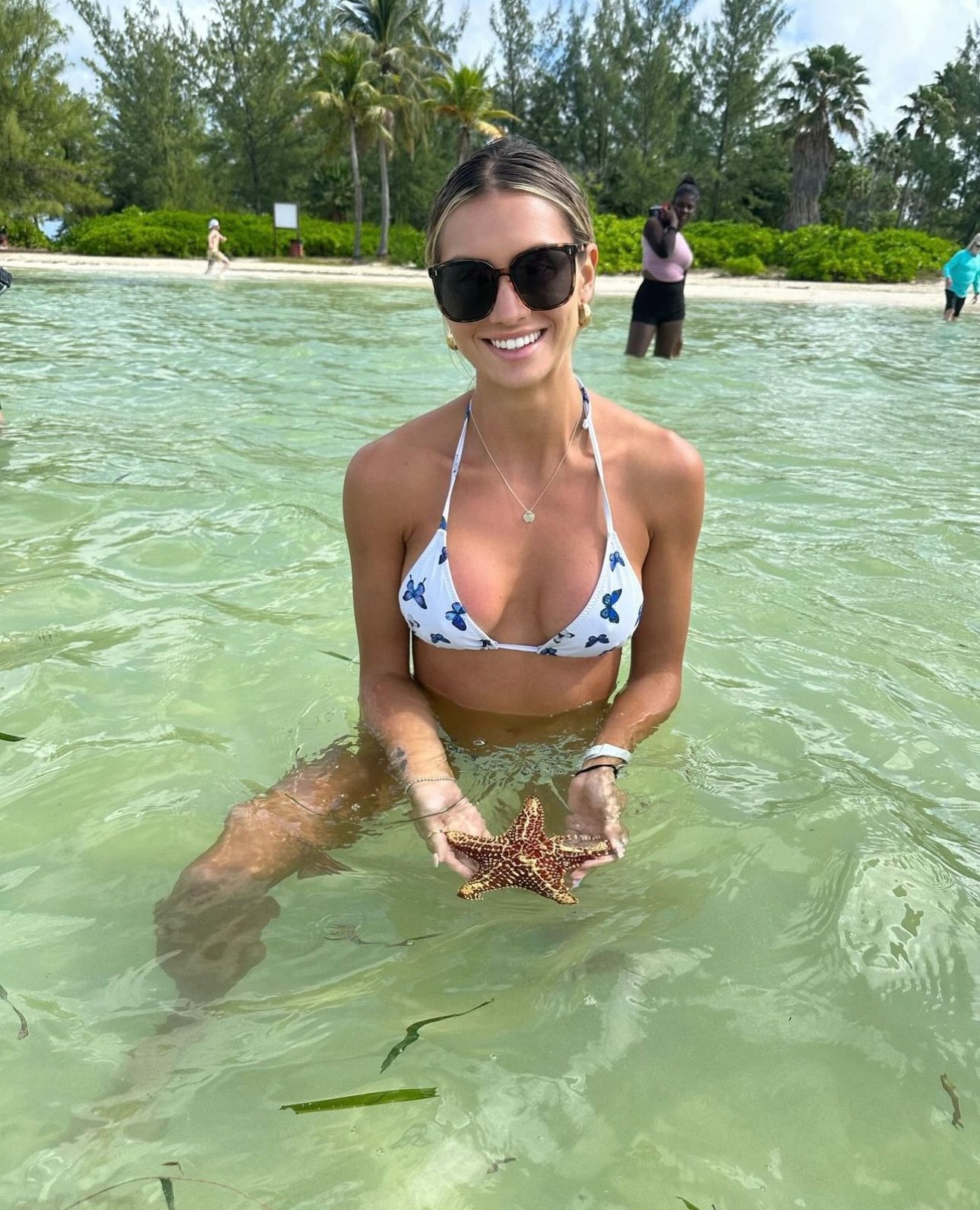
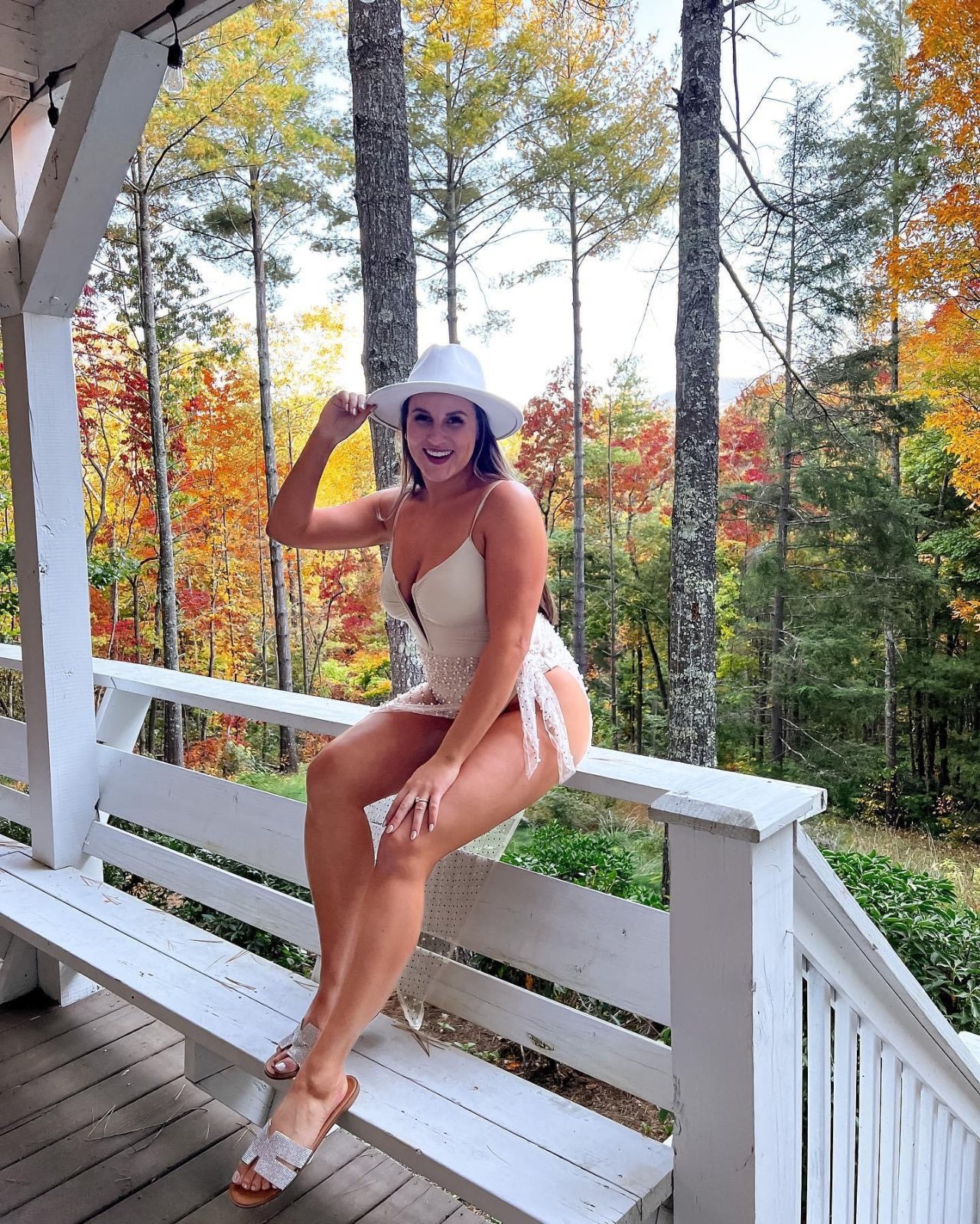
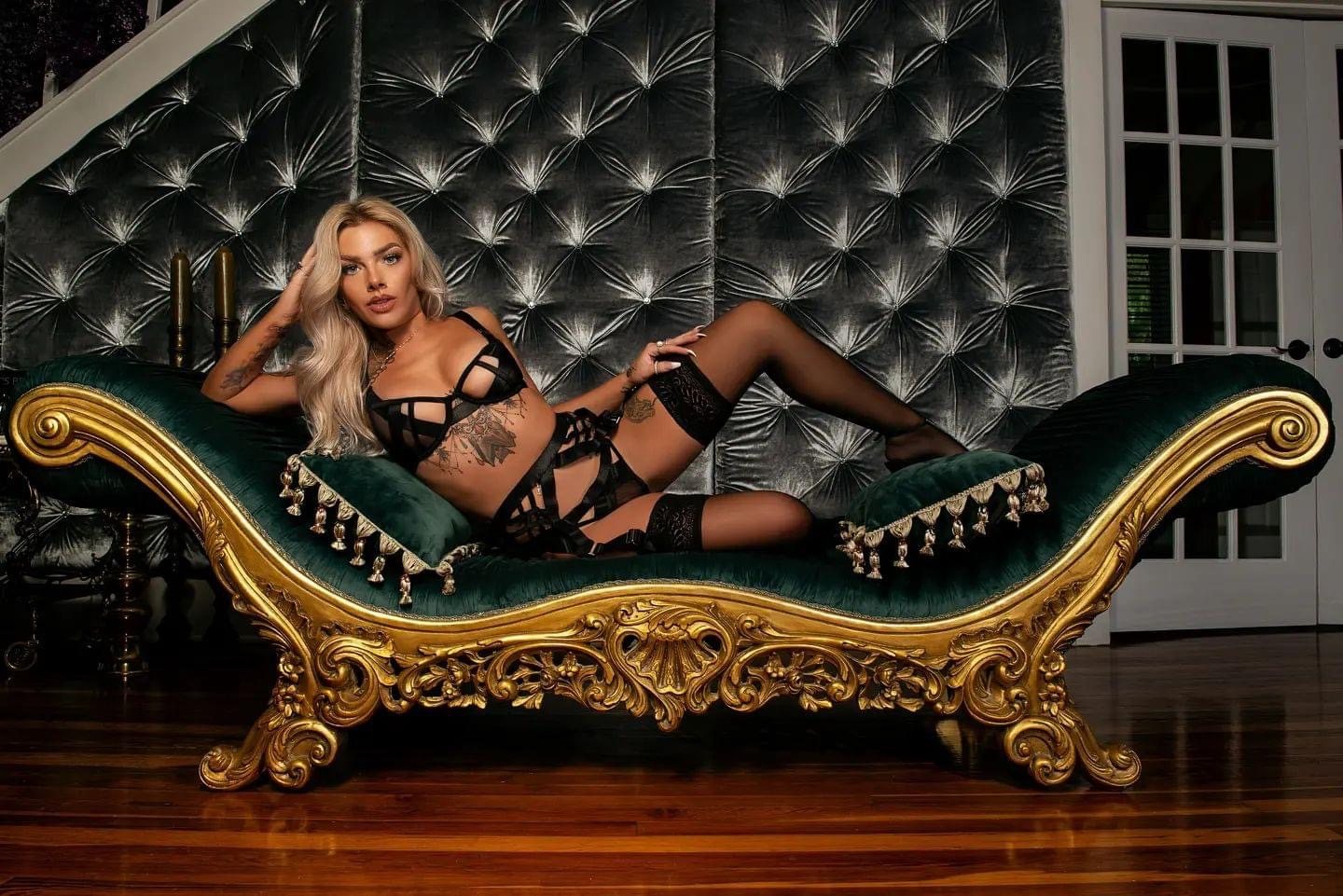
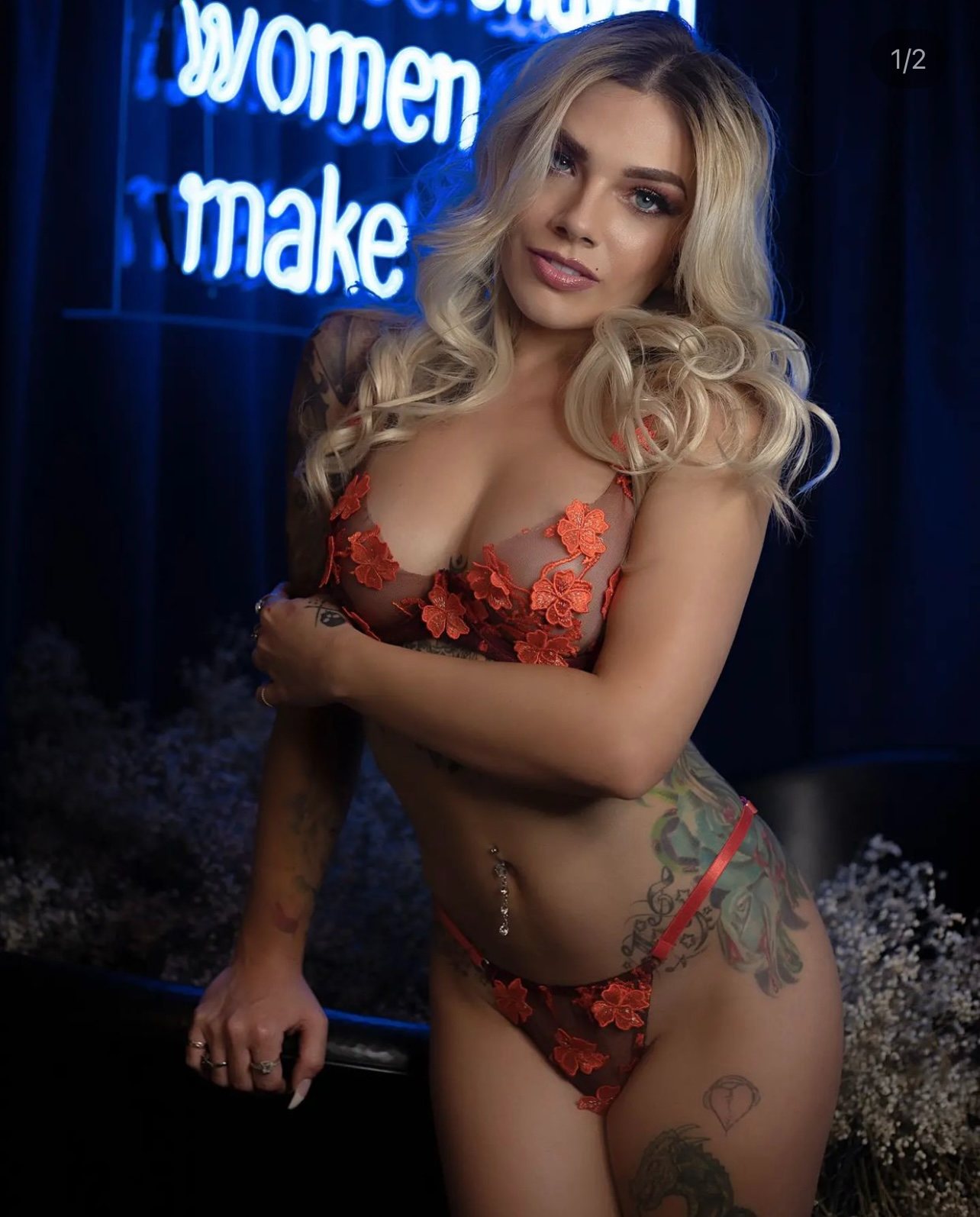 Even, dimensional bronzed skin under soft light · before/after or detail
A medium, true-bronze glow reads with more dimension on camera than a very dark tan.
How many days before a boudoir shoot should you get a spray tan?
Two to three days before — not the day before. This is the most common mistake and the one that does the most damage.
A fresh spray tan is two layers at once: the developed DHA color underneath, and a cosmetic bronzer "guide color" on top that washes off in your first rinse. On day one, that guide color is still on your skin — and it will transfer onto light lingerie, white sheets, and props the moment you start posing. A day-of or day-before tan also reads too dark and too flat under studio lighting, before it's had time to mellow into its true tone.
Give it two to three days. You get your first full rinse, sleep one night, let the bronzer finish lifting, and the color settles. By shoot day it's true, even, transfer-proof, and luminous — exactly where you want it.
A day-before tan is still wearing its bronzer. Pose on white sheets and you'll see it. Two to three days out is the sweet spot every time.
One more timing note: don't go too far the other way, either. A tan applied five-plus days out has started its natural fade and can look patchy by shoot day, especially in Florida humidity. The two-to-three-day window is the whole game.
What shade should you choose for boudoir?
Go one to two shades deeper than your natural skin tone — with a neutral or olive base, not orange. Resist the urge to pick the darkest option on the menu.
Here's the counterintuitive part: boudoir lighting is built on shadow and contrast. It's already adding depth. If you layer a very dark tan on top of dramatic light, the shadows go muddy and you actually lose definition — collarbones, abs, the line of the jaw all flatten out. A medium, true-bronze tone photographs with far more dimension. And orange undertones, which the eye forgives in person, get exaggerated under warm studio light. We'll match your base tone in the studio so the color reads natural on camera, not costume-y.
The 24-hour prep that decides everything
Most of the tan's outcome is set before you walk through our door. For a boudoir tan, where evenness is non-negotiable, the prep stack matters even more:
- Exfoliate the day before — not the day of. Dead skin grabs color unevenly. Use a sugar scrub or exfoliating mitt 24 hours out. Skip the day-of scrub; it leaves skin too raw for the solution to land smoothly.
- Shave or wax the night before, never the morning of. Hair removal too close to your appointment leaves tiny irritated pores that the DHA settles into and darkens into freckle-like dots — the last thing you want in a close-up.
- Show up bare — no lotion, oil, deodorant, or makeup. Oil-based and mineral products create a barrier the color can't penetrate. Come clean; we hydrate after.
- Hydrate from the inside. Well-watered skin holds color evenly and fades slower. Dehydrated skin grabs in blotches.
- Bring loose, dark clothing to wear home. Forget the cute outfit — you're leaving in this. Tight waistbands and bra straps press into developing color and leave imprint lines. Loose and dark, every time.
Lingerie, sheets, and the transfer trap
This is the boudoir-specific worry, so let's be direct about it. Will the tan rub off on my lingerie? Only if it's too fresh. The transfer everyone fears is the cosmetic bronzer, and it's gone after your first rinse and a day of wear — which is the entire reason we time the tan two to three days out.
A few extra insurances for shoot week: wear loose clothing (not Spanx or shapewear) between your tan and the shoot so nothing presses lines into the color, sleep on darker sheets the first night or two, and if you're bringing brand-new white or pastel lingerie, give it a gentle wash beforehand so the fabric is at its most color-resistant. By shoot day, with a properly timed tan, you can pose on white linens with zero worry.
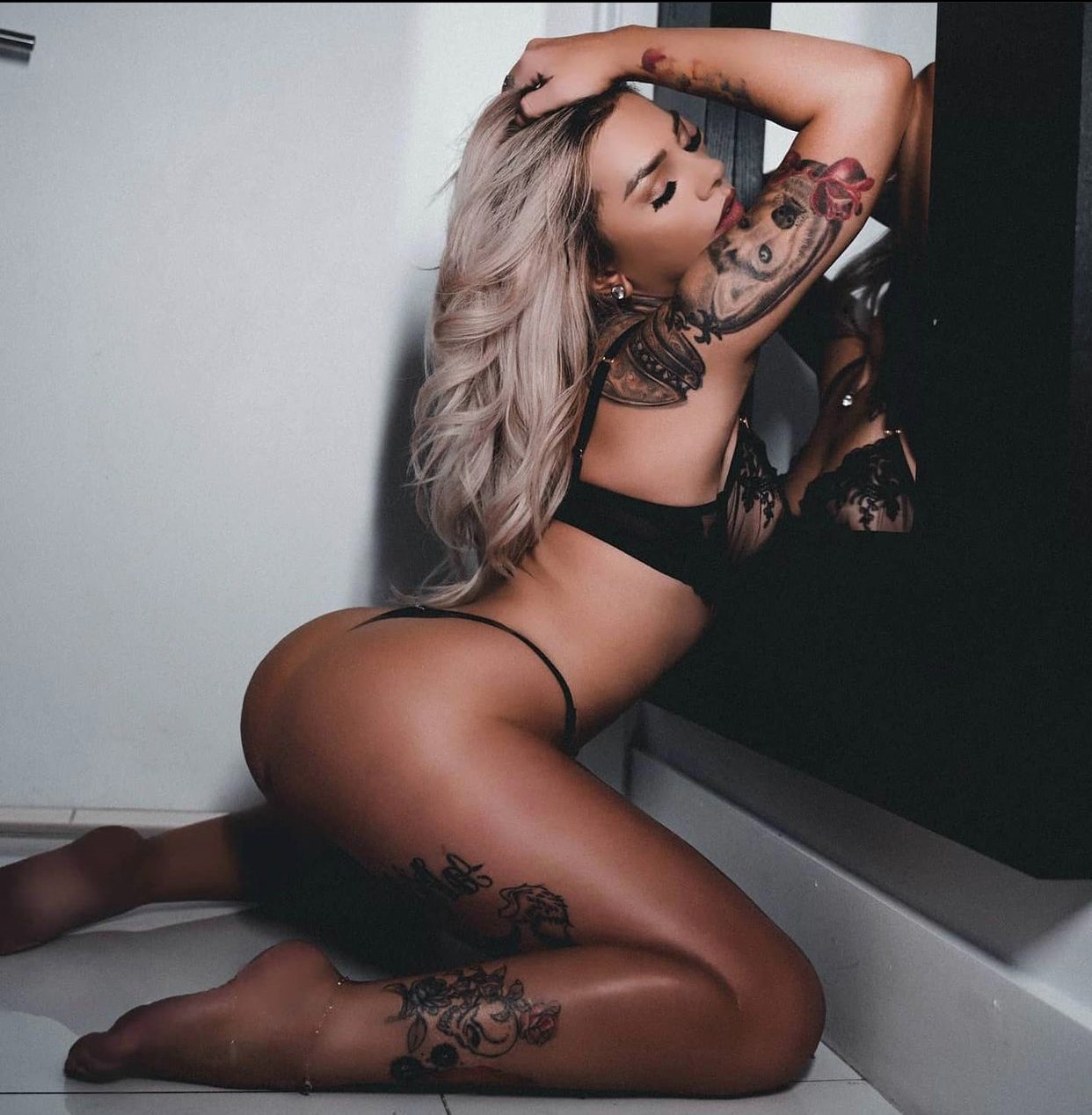 Studio detail · lingerie / soft fabric / bronzed skin on light bedding
How to avoid tan lines for a boudoir shoot
Boudoir is one of the few times most clients want truly seamless, line-free color — and that takes two moves. First, get sprayed with nothing on. No swimsuit, no undergarments. Our studio is private, and an even canvas everywhere is the whole point. Second, and this one's on you in the weeks before: avoid sunbed and natural-sun tan lines. A spray tan blends beautifully into bare skin, but it cannot paint over an existing white strap line — that contrast will still read on camera. If you've got lines now, ease off the sun and let them soften before your appointment.
Which formula photographs best?
For a boudoir shoot in St. Pete, I recommend the Sweat-Resistant Rapid Airbrush Spray Tan ($63) over our standard Signature Airbrush ($45) — and not for the reason you'd guess.
Yes, it's sweat-resistant, which matters under hot studio lights and the nerves of a first shoot. But the bigger win is the bond: the Rapid formula locks the DHA more aggressively into the skin's outer layer, so it develops more evenly and resists the friction and micro-rubbing that fabric and posing create. Even color is the entire job here, and this is the formula built for it. It develops in four hours versus eight to twelve, too, which gives us more scheduling flexibility in your two-to-three-day window. It's the only sweat-resistant rapid formula offered at any salon in St. Pete — the $18 difference is the cheapest insurance on your shoot.
Shoot-day glow: what to do (and not do) that morning
On the day, less is more — with two deliberate touches:
- Moisturize lightly so skin looks luminous, not ashy. A dry tan photographs dull. Use an unscented, oil-free lotion in the morning so skin is supple and reflects light.
- A whisper of body oil or a luminizer is great — heavy oil is not. Photographers love subtle sheen on the high points: shoulders, collarbone, shins. But pooled, greasy oil flares white under flash. Think a thin sheen, applied sparingly, then patted in.
- Keep translucent powder nearby for shine control. Under bras straps, the chest, and anywhere that gets sweaty-shiny, a light dust of translucent powder keeps the finish matte-luminous rather than wet-looking.
- Skip new products you've never tested. Shoot morning is not the time to experiment with a self-tan touch-up or a shimmer you've never worn. Trust the work already done.
First boudoir shoot? Book a trial
If this is your first time, or your first time with us, book a trial tan one to two weeks before the shoot. Skin tone, formula, and shade all read slightly differently on every person, and a trial lets us dial in your exact depth and base with zero pressure — so the real thing is a known quantity, not a gamble on the most vulnerable photo day of your life. We also offer patch testing for anyone with sensitive skin or a first-time concern; just ask when you book.
Your boudoir tan timeline, at a glance
- 1–2 weeks out: Trial tan (first-timers). Stop using sunbeds; let any tan lines soften.
- 24 hours before the tan: Exfoliate. Shave or wax that night.
- Day of the tan (2–3 days before the shoot): Arrive bare — no lotion, oil, or makeup. Sweat-Resistant Rapid, sprayed with nothing on. Go home in loose, dark clothing.
- The day between: First rinse at the four-hour mark — lukewarm water, no soap, pat dry. Moisturize. Loose clothing only.
- Shoot day: Light oil-free moisturizer, a whisper of luminizer on the high points, translucent powder for shine control. Walk in glowing.
That's the whole method. Time it to two-to-three days, choose a medium neutral shade, prep the canvas, spray it line-free, and photograph it under light it was built to catch. Do that, and the camera does the rest.